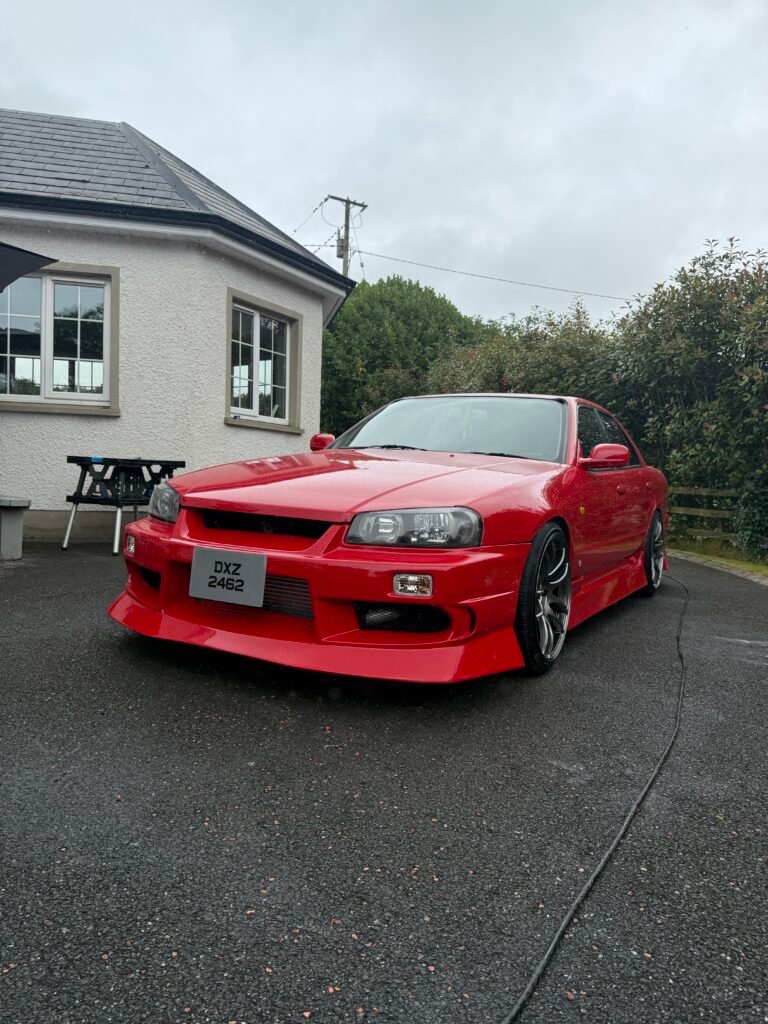
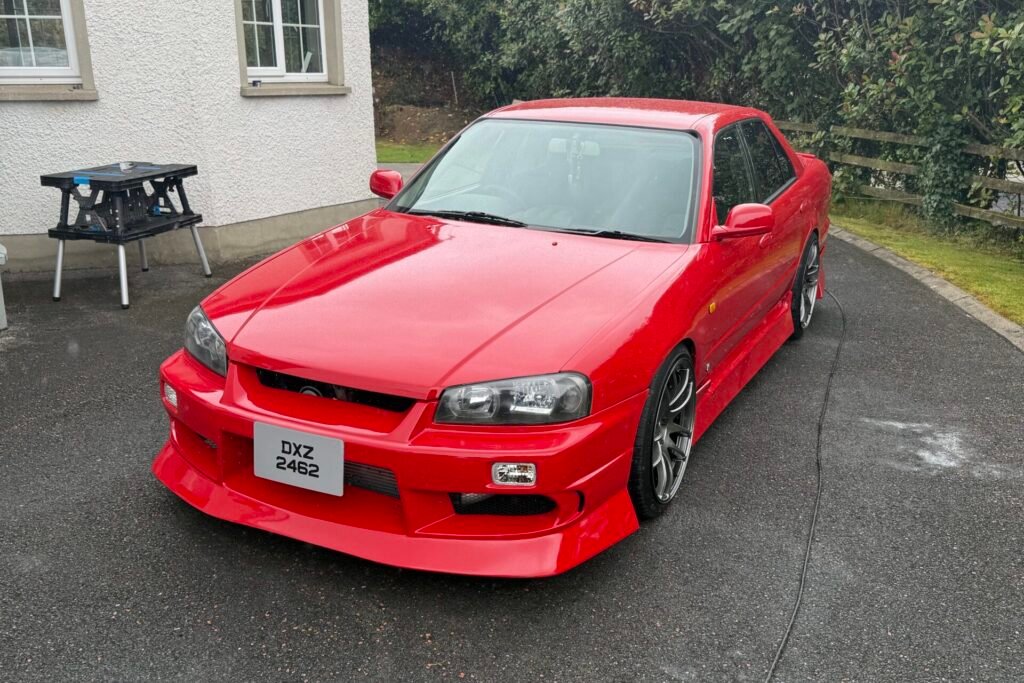
Ceramic Coating
A hard protective layer bonded to your paintwork, with durability options depending on how long you want it to last. It shields against UV, road salt and farm grime — and makes every wash afterwards significantly quicker.
What a coating job involves.
- Full decontamination wash and clay treatment
- Iron fallout and tar removal
- Paint correction to the agreed level
- Panel wipe to strip all polishing oils
- Coating applied panel by panel in controlled conditions
- Levelled and inspected under proper lighting
- Curing time observed before handover
- Wheels and glass coated where included
- Aftercare guidance for the first seven days
- Written record of the coating and its durability
Why the prep matters more than the coating.
A ceramic coating locks in whatever’s underneath it. Apply one over swirled, contaminated paint and you’ve sealed those defects in for years. That’s why almost every coating job includes correction first, and why the prep takes far longer than the application itself. Anyone quoting a coating as a quick same-day job is skipping the part that matters.
Once cured, the practical difference is how little effort the car takes afterwards. Dirt struggles to bond, water sheets off rather than sitting, and road salt through a Cavan winter doesn’t get the chance to sit on bare clear coat. For anyone driving rural roads year-round, that’s the real argument for it.

How we work.
Assess & quote
We look at the paint’s condition and agree the correction level and coating durability.
Correct the paint
Whatever we coat over, we’re locking in — so it’s put right first.
Apply & level
Panel by panel in controlled conditions, checked under proper lighting.
Cure & hand over
The coating needs time to harden. We’ll explain exactly how to treat it that first week.
Good to know.
Because the cost is driven mostly by the prep work, not the coating itself. A well-kept two-year-old car and a ten-year-old car with heavy swirling need very different amounts of correction. We quote after seeing the vehicle so the number is real.
Depending on the product and durability option chosen, typically anywhere from two to five years or more. We’ll talk through the options and what’s realistic for how you use the car.
No — and be wary of anyone who says so. It means washing is faster and easier, dirt bonds less, and the paint underneath stays protected. You’ll still wash it, just with far less effort.
Often more so than on a weekend car. Vehicles that live outside and take daily abuse benefit most from a hard protective layer. The convenience alone tends to justify it.
Yes. Wheel coating makes brake dust wipe off rather than bake on, and coated glass improves wet-weather visibility. Both can be included — just ask when quoting.
Thinking about long-term protection?
Send a couple of photos and your county. We’ll come back with an honest recommendation and a firm price, usually within the hour.